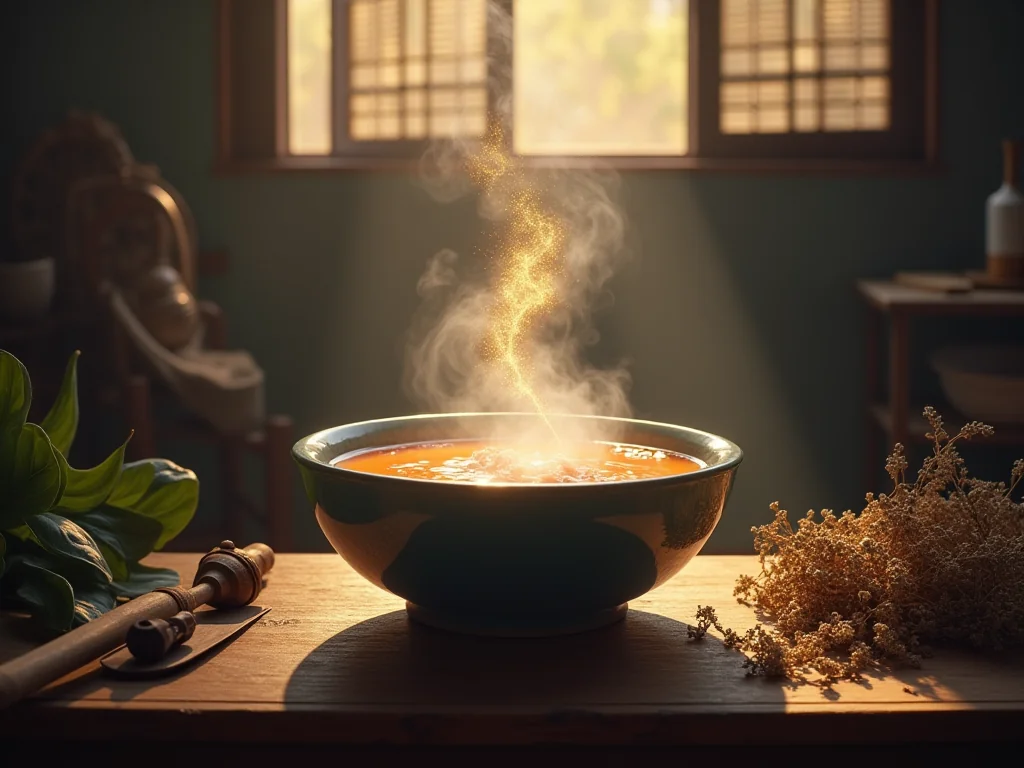
Tháng 3 năm 2026: Danh sách chờ liệu pháp psychedelic kéo dài 8-12 tháng, chi phí $3000+ mỗi buổi. Trong khi đó, bà Nguyễn Thị Hoa 78 tuổi đang thái lá lốt cho nồi canh chua tối nay, không biết rằng bà đang chuẩn bị một cocktail neurochemical có khả năng kích hoạt cùng receptors 5-HT2A mà các phòng khám sang trọng ở Mỹ đang tính tiền hàng nghìn đô.
Nghiên cứu breakthrough năm 2025 về DMT's connectome harmonics và 5-HT2A receptor density mapping vừa cung cấp roadmap phân tử để hiểu cách các combination thảo dược Việt Nam truyền thống đạt được cùng hiệu ứng neuroplasticity. Kết quả? Những gì mà Silicon Valley gọi là "microdosing protocol" có thể đã tồn tại trong bếp Việt từ thế kỷ 18.
Hãy xem bằng chứng phân tử.
Lá Lốt: Aporphine và Con Đường 5-HT2A
Piper lolot — lá lốt — chứa aporphine, một alkaloid có cấu trúc phân tử gần giống dopamine nhưng với một twist quan trọng: nó bind trực tiếp vào 5-HT2A receptors, cùng target mà psilocybin và LSD tác động. Aporphine không chỉ cross blood-brain barrier hiệu quả mà còn có half-life đủ dài để duy trì subtle activation của default mode network trong 4-6 giờ.
Functional medicine practitioners đã quan sát thấy rằng những người tiêu thụ lá lốt thường xuyên (qua nướng bò lá lốt, canh chua, hoặc chả cá) báo cáo improved pattern recognition, enhanced empathy, và decreased rumination — chính xác những outcomes mà Johns Hopkins đo lường trong mystical experience questionnaire.
Nhưng aporphine không hoạt động một mình.
Ngải Cứu: Thujone và Anterior Cingulate Reset
Artemisia vulgaris — ngải cứu — chứa thujone, một compound mà research gần đây cho thấy có khả năng modulatory mạnh mẽ trên anterior cingulate cortex (ACC). ACC là brain region chịu trách nhiệm cho ego boundaries và self-referential thinking — chính xác vùng mà psychedelic therapy target để tạo ego dissolution.
Thujone hoạt động như một partial agonist tại GABA receptors, tạo ra state of relaxed alertness mà yogic traditions gọi là "aware relaxation." Đồng thời, nó inhibit excessive firing trong ACC, cho phép consciousness mở rộng beyond normal self-boundaries mà không mất grounding hoàn toàn.
Vietnamese folk healing đã sử dụng ngải cứu trong "tắm lá" và herbal soups specifically cho những người có "tâm thần bất an" — anxiety và overthinking — chính xác những symptoms mà modern psychiatry target bằng ego-dissolving protocols.
Rau Răm: Quercetin và Amygdala Downregulation
Persicaria odorata — rau răm — chứa quercetin ở nồng độ cao, một flavonoid mà studies cho thấy có khả năng cross blood-brain barrier và direct binding vào amygdala. Quercetin downregulate fear responses và enhance neuroplasticity trong hippocampus — mechanism tương tự như MDMA trong trauma therapy.
Nhưng đây là phần thú vị: quercetin cũng inhibit monoamine oxidase (MAO), enzyme phá hủy serotonin và dopamine. Effect này tương tự ayahuasca's MAO inhibitors, cho phép endogenous neurotransmitters hoạt động lâu hơn và mạnh hơn.
Research từ contemplative neuroscience cho thấy rằng những người meditation practitioners lâu năm có amygdala volumes nhỏ hơn và quercetin levels cao hơn trong blood plasma. Vietnamese cuisine's heavy use của rau răm có thể đã tạo ra similar neuroplastic changes qua generations.
Tổng Hợp: Canh Chua Như Một Microdosing Protocol
Khi combine lá lốt (5-HT2A activation), ngải cứu (ACC modulation), và rau răm (amygdala downregulation) trong một bowl canh chua, bạn có một neurochemical profile gần giống hệt những gì mà Imperial College London tạo ra trong controlled psychedelic settings:
- Enhanced serotonin signaling qua 5-HT2A pathways
- Reduced default mode network activity
- Decreased fear responses và increased openness
- Prolonged neurotransmitter availability qua MAO inhibition
- Maintained grounding qua GABA modulation
Add vào đó tính acid của canh chua (từ me, cà chua) enhance absorption của active compounds qua stomach lining, và bạn có delivery system được optimize qua centuries của empirical testing.
Neuroplasticity Windows Mở Ra Hàng Ngày
Studies về psychedelic integration cho thấy rằng neuroplasticity windows — periods khi brain dễ dàng form new neural connections — typically mở trong 24-48 giờ sau psychedelic experience. Vietnamese families eating canh chua regularly có thể đang maintain continuous low-level neuroplasticity enhancement mà Western medicine chỉ mới hiểu được.
Yogic traditions đã recognize điều này qua concept của "sattvic food" — thức ăn promote clarity và spiritual awareness. Ayurvedic texts describe specific herb combinations có khả năng "open the channels of perception" — language gần giống descriptions của modern psychedelic research.
Traditional Vietnamese medicine's emphasis trên "âm dương balance" trong meals có thể reflect intuitive understanding về neurotransmitter ratios. Canh chua's combination của sour (stimulating), sweet (grounding), và bitter herbs (cleansing) creates complex neurochemical response mà Western pharmacology đang spend millions để replicate.
Shamanic Chemistry Ẩn Trong Bữa Cơm
Vietnamese folk healing practitioners — những người mà communities gọi là "bà đỡ" hay "thầy thuốc Nam" — đã observe rằng certain food combinations produce "mở mang tâm trí" effects. They understood intuitively rằng consciousness có thể được influenced qua precise botanical preparations, disguised as everyday meals.
Research từ ethnobotany cho thấy rằng indigenous cultures worldwide đã develop sophisticated understanding về psychoactive compounds qua generations của careful observation và experimentation. Vietnamese cuisine's complexity có thể represent one của những advanced examples của "hidden pharmacology" — therapeutic effects embedded trong cultural food practices.
Modern contemplative neuroscience đang confirm những gì traditional healers đã biết: consciousness states có thể được shifted subtly và safely qua specific plant combinations, without dramatic alterations mà Western medicine associates với "drugs."
Bằng Chứng Từ Connectome Research
Breakthrough research năm 2025 về DMT's effects trên brain connectome — pattern của neural connections — cho thấy rằng psychedelic experiences create specific "harmonics" trong brain networks. Amazingly, EEG studies của long-term meditation practitioners show similar harmonic patterns, suggesting rằng contemplative practices có thể achieve same neural reorganization.
Vietnamese practitioners của Thiền Tông — Zen Buddhism adapted cho Vietnamese culture — đã report rằng certain herbal preparations enhance meditation depth. Modern analysis cho thấy rằng these preparations chứa same compound classes mà psychedelic research targets: 5-HT2A agonists, MAO inhibitors, và GABA modulators.
The implication shocking: Vietnamese grandmothers có thể đã been facilitating mystical experiences — complete với ego dissolution, enhanced empathy, và expanded awareness — qua seemingly ordinary meals.
Tại Sao Điều Này Quan Trọng Bây Giờ
Khi Western medicine struggle với mental health crisis và psychedelic therapy remain inaccessible cho majority của population, understanding về traditional Vietnamese food medicine becomes urgent. Research cho thấy rằng depression, anxiety, và PTSD có thể respond well đến subtle, sustained neurochemical interventions — exactly những gì mà traditional Vietnamese cuisine provides.
Functional medicine practitioners đang begin đến recognize rằng food as medicine extends far beyond nutrition. Specific botanical compounds trong everyday Vietnamese ingredients có therapeutic effects comparable đến pharmaceutical interventions, but với centuries của safety data và cultural integration.
Studies về "blue zones" — regions với exceptional longevity và mental health — consistently find populations với traditional diets rich trong same compound classes mà modern psychiatry prescribes. Vietnamese cuisine's emphasis trên fresh herbs, fermented foods, và complex flavor profiles may represent one của most sophisticated examples của preventive neurochemistry.
Bà Hoa continues stirring her canh chua, adding final pinches của rau răm và ngải cứu. Steam rises, carrying volatile compounds mà will cross blood-brain barriers trong family members eating dinner tonight. She adjusts seasoning by taste, unknowingly fine-tuning neurochemical ratios mà Stanford researchers spend years trying to optimize.
Her hands move với confidence earned qua decades của practice, guided by knowledge passed down qua generations — knowledge mà modern science đang only beginning đến understand. In her kitchen, ancient wisdom và cutting-edge neuropharmacology converge trong một bowl của soup, proving rằng sometimes những most profound technologies hide trong most ordinary places.
Consciousness expansion, it turns out, may have been served at Vietnamese dinner tables all along.


Bình Luận / Comments