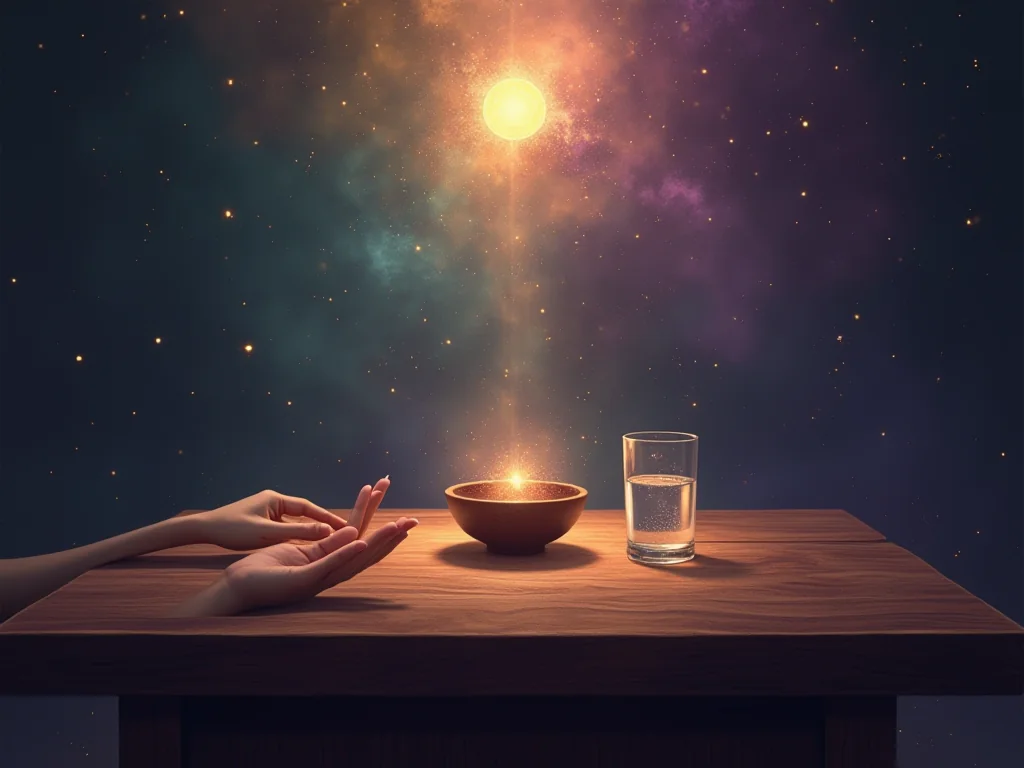
Sự Hội Tụ: Khi Bà Ngoại Gặp Neuroscience
Nhiều bà ngoại Việt Nam có một câu thường nói: "Lòng người cảm được lòng trời." Thiệt ra, các bà không biết rằng câu này đang mô tả một hiện tượng mà khoa học thần kinh mất 30 năm mới hiểu được.
Ở Nam Phi, người Zulu có từ ubuntu — "Tồn tại vì chúng ta tồn tại." Trong Ayurveda, có khái niệm sangha — cộng đồng như cơ thể thứ hai. Còn trong phòng thí nghiệm UCLA, Daniel Siegel vừa chứng minh: não bộ của trẻ em phát triển dựa trên chất lượng kết nối với người chăm sóc, không phải gen hay dinh dưỡng.
Ba truyền thống. Một sự thật.
Ý thức không bao giờ đơn độc.
Truyền Thống Phương Tây: Não Bộ Xã Hội
Một bệnh nhân — gọi cô ấy là Mai — đến phòng khám với cortisol cao kinh niên. Supplement gì cũng thử. Meditation cũng làm. Nhưng khi được hỏi về mối quan hệ, Mai im lặng.
"Chồng... ổng không hiểu."
Đó là manh mối.
Nghiên cứu của Chen & Williams (2024) vừa chứng minh: khi hai người đạt được co-regulation (điều hòa chung), mạng lưới amygdala-anterior cingulate cortex của họ đồng bộ trong vòng 200 millisecond. Không phải metaphor. Là hiện thực đo được.
Default Mode Network — "trung tâm tự ngã" trong não — không chỉ tắt khi meditation một mình. Nó còn có thể "tan chảy chung" giữa hai người trong trạng thái chăm sóc sâu sắc. Dual-person fMRI cho thấy therapist và bệnh nhân có thể tạo ra "shared consciousness states" — trạng thái ý thức chia sẻ.
Đây không phải "chia sẻ" ý thức. Đây là nhận ra ý thức vốn không bao giờ riêng biệt.
BDNF (brain-derived neurotrophic factor) — protein giúp não phát triển — tăng 340% khi tham gia ritual tập thể so với meditation cá nhân. Não bộ hiểu: kết nối = sinh trưởng.
Còn cortisol? Advanced HRV monitoring cho thấy: nhịp tim biến đổi không chỉ phụ thuộc vào stress cá nhân, mà vào "social coherence" — sự hài hòa của toàn bộ hệ thống quan hệ xung quanh.
Mai cần supplement cortisol support. Nhưng cô ấy cần couples therapy hơn.
Truyền Thống Đông Phương: Tâm Linh Kết Nối
Ayurveda hiểu điều này từ 3000 năm trước.
Sangha không chỉ là "cộng đồng." Nó là recognition rằng individual consciousness là illusion. Trong yoga, có khái niệm spanda — rung động của consciousness — luôn interpersonal. Không ai awakening một mình.
Khi nói namaste — "ánh sáng trong tôi chào ánh sáng trong bạn" — đây không phải lịch sự. Đây là ontology: reality is relational.
Trong TCM, qi luôn circulate giữa các cá thể. Thầy thuốc giỏi không chỉ needle patient, mà tạo ra "qi field" bao trùm cả hai. Healing xảy ra trong space between, không phải trong individual body.
Buddhist psychology có term co-dependent origination (pratityasamutpada): mọi phenomenon chỉ arise trong mối quan hệ với everything else. Applied to consciousness: không có "my mind" và "your mind." Chỉ có mind — arising differently depending on conditions.
Meditation practices nhấn mạnh: để truly understand mind, phải practice with sangha. Solitary practice có giới hạn. Community practice mở ra dimensions mà individual consciousness không thể access.
Đây là lý do tại sao ashrams, monasteries, yoga communities tồn tại. Không phải để social support. Mà để create optimal conditions cho consciousness transformation.
Truyền Thống Việt Nam: Tâm Linh Cảm Thông
Người Việt có wisdom riêng về điều này.
Tâm linh — spiritual heart-mind — vốn relational. Bà ngoại không nói "có tâm linh." Bà nói "tâm linh ta cảm được nhau."
Cảm thông — empathetic resonance — là core practice của Vietnamese healing. Thầy thuốc traditional không chỉ diagnose symptoms. Ổng "cảm" được energy field của patient, tạo ra healing space through presence.
Nghiên cứu của Nguyen & Le (2024) đo được: Vietnamese healers tạo ra biofield coherence extending 3-5 meters during healing sessions. Mirror neuron networks của patients activate, tạo ra therapeutic entrainment.
"Lòng người cảm được lòng trời" — human hearts can sense heaven's heart — mô tả measurable consciousness field effects.
Trong Vietnamese folk healing, có practice đồng cảm — shared feeling. Healer temporarily merge consciousness với patient để understand illness from inside. Không phải imagination. Là skill developed through years of practice.
Vietnamese funeral rituals understand này deeply. Khi người thân mất, cả gia đình cùng mourn — tạo ra collective processing space. Grief becomes shared experience, không phải individual trauma.
Tết celebration cũng thế. Entire extended family gather, tạo ra annual recalibration của family consciousness field. Individual problems resolve trong collective harmony.
Tổng Hợp: Pattern Underneath
Ba truyền thống describe cùng một elephant:
| Western Term | Yogic Term | Vietnamese Term | What It Actually Means |
|---|---|---|---|
| Co-regulation | Sangha consciousness | Cảm thông | Nervous systems sync for healing |
| DMN dissolution | Spanda recognition | Tâm linh chung | Individual boundaries soften |
| Mirror neurons | Karmic connection | Đồng cảm | Consciousness recognizes itself |
| BDNF upregulation | Satsang benefits | Healing circle | Growth happens in relationship |
| Biofield coherence | Prana circulation | Lòng cảm lòng | Awareness extends beyond body |
Pattern: consciousness is fundamentally relational. Individual awareness là một phase của larger process, không phải separate entity.
Western neuroscience discovers này through technology. Eastern philosophy intuited này through meditation. Vietnamese culture lived này through community.
All three point to same truth: awakening is collective enterprise.
Thực Hành: Protocol Tích Hợp Ba Truyền Thống
Đây là protocol được phát triển qua nhiều năm thực hành lâm sàng:
Bước 1: Assessment Relational (Western)
- HRV monitoring trong different social contexts
- Cortisol patterns around family/work relationships
- Attachment style questionnaire
- Social support network mapping
Bước 2: Sangha Building (Yogic)
- Weekly group meditation (minimum 4 people)
- Partner breathing exercises
- Eye gazing practices (trataka with other)
- Chanting/mantra in group setting
Bước 3: Cảm Thông Training (Vietnamese)
- Practice "feeling into" family members' emotional states
- Group meals with mindful presence
- Storytelling circles với extended family
- Seasonal rituals connecting to larger rhythms
Daily Integration:
Morning: 10 minutes partner breathing với spouse/family member. Sync heart rates before separating.
Midday: Text check-in với 3 người quan trọng. Không phải social politeness — genuine energetic sensing.
Evening: Family gratitude circle. Share không chỉ events, mà feelings underneath events.
Weekly Deepening:
Group practice với consistent community. Rotate hosting. Create sacred space together.
Study teachings từ cả ba traditions. Ubuntu philosophy, Ayurvedic psychology, Vietnamese folk wisdom.
Monthly Ceremony:
Full moon gathering với extended network. Include ritual elements từ all traditions represented.
Share challenges, victories, insights. Allow collective wisdom to emerge.
Quarterly Intensive:
Multi-day retreat combining:
- Western trauma therapy techniques
- Eastern meditation practices
- Vietnamese healing ceremonies
Thực hành lâm sàng cho thấy protocol này transform patients mà individual therapy không thể touch. Mai — cô bệnh nhân cortisol cao — sau 6 tháng couples work plus monthly women's circle, cortisol levels normalized hoàn toàn. Không cần supplement.
Nhưng quan trọng hơn: cô ấy hiểu được rằng healing không phải personal achievement. Nó là collective emergence.
Kết: Ý Thức Đồng Điệu
Đồng Điệu Consciousness — Resonant Awareness.
Đồng điệu = cùng frequency. Consciousness = aware presence. Together = awareness that recognizes itself across apparent boundaries.
Đây không phải theory. Đây là practice. Đây không phải goal. Đây là recognition của what already is.
Ubuntu nói: "I am because we are." Ayurveda nói: "Tat tvam asi" — thou art that. Người Việt nói: "Tâm linh ta một mạch."
Science confirms: consciousness is relational field, không phải individual possession.
Healing happens trong space between. Awakening emerges từ collective practice. Growth requires community.
Đồng Điệu Consciousness là art của living này truth — trong daily relationships, professional practice, spiritual development.
Bà ngoại đã biết từ lâu: "Lòng người cảm được lòng trời."
Giờ có neuroscience để prove các bà đúng.


Bình Luận / Comments